Global Offices


Requirements of Waiting Area Chairs Across Different Environments: Hospitals, Airports, Banks, and Government Halls
As the first point of contact in various public service scenarios, waiting area chairs directly impact user experience, spatial efficiency, and the overall image of the venue. The ideal waiting area seating is a perfect integration of universal design standards and specific scenario requirements.
This article will explore the universal golden standards that modern waiting area chairs should adhere to, then delve into the unique requirements of four key scenarios, guiding you on how to select the most appropriate solutions for your needs.

Universal Design Standards for Waiting Area Chairs
Regardless of the specific environment, the seating for the waiting area must meet a set of fundamental universal design standards to ensure it caters to the basic needs of users and the operational requirements of the venue.
1. Durability and Low Maintenance
Waiting area chairs, especially in high-traffic public spaces, experience constant use. This demands construction from highly durable materials that can endure significant wear and tear. Moreover, effortless cleaning and maintenance can uphold hygiene and minimize long-term operational expenses.
2. Comfort and Ergonomics
Users often spend extended periods sitting in waiting areas, so comfort is paramount. Ergonomic design principles should be applied to ensure proper lumbar support, appropriate seat height and depth, and comfortable armrests (where applicable). This helps prevent discomfort and fatigue, enhancing the overall waiting experience.
3. Safety and Accessibility
Safety is non-negotiable. Waiting area bench seating should have stable structures to avoid tipping, smooth edges to prevent injuries, and meet relevant safety certifications. Accessibility is also crucial to accommodate users with disabilities, including features such as wide seating spaces, armrests for support when standing, and compatibility with wheelchairs.
4. Space and Layout Efficiency
Public waiting areas often need to accommodate a large number of users within a limited space. Waiting area seating should be designed to optimize space utilization, with flexible layout options that can be adjusted according to the venue’s size and passenger flow. This includes row chairs, independent chair combinations, and bench seating to suit different spatial configurations.
5. Aesthetics and Brand Image
The style of waiting area chairs should align with the overall aesthetic of the venue and reflect its brand image. Whether it’s a modern airport, a professional bank, or a solemn government hall, the chairs should complement the environment and leave a positive impression on users.
In-Depth Analysis of Waiting Area Chairs in Different Scenarios
While adhering to universal standards, waiting area seating benches must also be tailored to the unique characteristics of each specific environment. Below is an in-depth analysis of the user profiles and seating requirements for four key scenarios.
1. Hospitals and Clinics
The primary users of hospital waiting area chairs include patients, anxious family members, and medical staff who may need temporary seating. The waiting space in hospitals is often associated with stress and anxiety, which necessitates seating support for both physical and psychological needs.
- Materials: Given the high demand for hygiene in hospitals, waiting area chairsmust be made of fully antibacterial materials that are resistant to strong chemical disinfectants.
- Design: A seamless design is essential to inhibit dirt and bacteria accumulation in crevices, making cleaning more efficient. Additionally, armrests are a must to provide support for patients when standing up, especially those with weak legs or mobility issues.
- Psychological:Soft colours (such as light blue, beige, and light green) and warm textures can help create a calming atmosphere, effectively alleviating the anxiety and tension of patients and their families.
2. Airports
Airport waiting areas cater to a diverse range of users, including tired travelers carrying luggage, international crowds of different nationalities, ages, and body types. Travelers may spend several hours waiting for their flights; the seating must be designed for heavy, continuous use while accommodating luggage.
- Materials: Airport waiting area seatingmust be highly durable to withstand 24/7 high-intensity use and frequent impacts from luggage. In VIP areas, premium materials like high-grade leather or stain-resistant fabrics are preferred, offering a balance of luxury and long-term resilience.
- Space Optimization:To adapt to constantly changing passenger flow, flexible layouts are essential. Options include rows of chairs, modular combinations, and benches. Ample space between seats for luggage storage can prevent overcrowding. VIP areas typically feature individual seating or private clusters to ensure comfort and privacy.
- Aesthetics:A modern, international aesthetic is key. Neutral colors such as gray, blue, and black are commonly used as they can effectively conceal wear and stains, maintaining a clean and tidy appearance even with heavy use.

3. Banks and Financial Institutions
Banks serve two main groups of users: general customers conducting routine transactions and VIP customers. The seating requirements for these two groups differ significantly, reflecting the different service levels provided by the bank.
- Main Hall:The waiting area chairs in the main hall of a bank must be durable and safe to withstand daily use by a large number of customers. The layout should be neat and efficient, with clear traffic channels to avoid congestion. The chairs should also be easy to clean, as the main hall is a high-traffic area.
- VIP Waiting: VIP waiting areas require a higher level of comfort and luxury. High-quality leather or premium fabrics are often used for the chairs, conveying a sense of professionalism and reliability. The layout should be spacious and more privacy-focused, with individual seating or small groups of chairs paired with a coffee table, creating a comfortable and exclusive environment for VIP customers.
4. Government Halls and Public Institutions
Visitors to government halls include a wide range of citizens, such as the elderly, people with disabilities, and individuals conducting administrative business. The waiting area must be inclusive and accessible to everyone, and its design should convey the dignity and fairness of a public institution.
- Design: Chair materials should strike a balance between comfort and cost-effectiveness. Crucially, designs must strictly adhere to accessibility standards, incorporating features like supportive armrests and dedicated spaces for wheelchair users.
- Layout: The layout should be neat and orderly, which often utilizes linear or grid layouts to maximize space utilization and maintain a sense of order. This assists users in finding seats easily and enables smooth traffic flow.
- Aesthetics:Modern waiting area chairs of the government hall should be solemn, neutral, and understated, reflecting the seriousness and fairness of public institutions. Avoiding overly trendy or flashy designs can shape a professional and authoritative image.
Leadcom Waiting Area Chairs
At Leadcom, we understand that exceptional waiting area chairs are rooted in a harmonious blend of comfort, durability, and aesthetic intelligence. We engineer our diverse product range to perform flawlessly across environments, from serene airports to dynamic government halls.
- ACE Elite L-W02-2:Ideal for hospitals and airports, this waiting area bench chair is stylish, affordable, and easy to assemble. With optional tables and multiple configuration choices, such as straight rows, back-to-back, or clusters, it can be fully customized to fulfill specific client needs.

- FERMA PU LS-535Y:Made to the highest standards of comfort, its durability and safety accommodate the needs of travellers and terminal operators. Its robust aluminum frame and high-quality PU padding are built to endure intense daily wear and tear. Straight, back-to-back, and cluster configurations are available to suit different space requirements.
ACE Elite w2 2 1
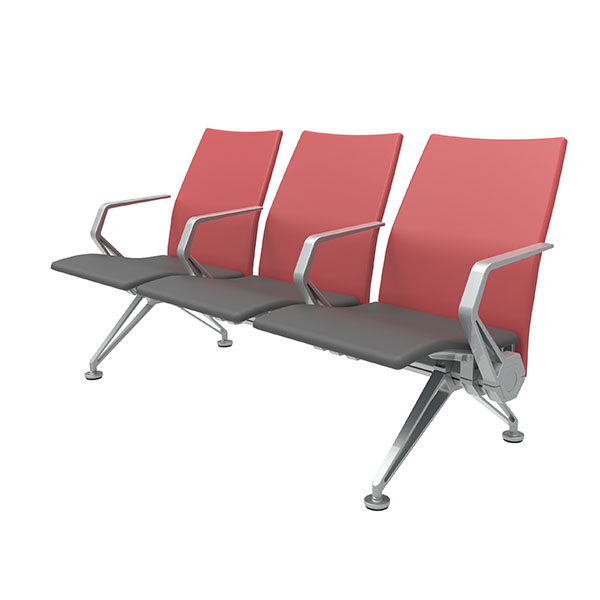
- PELEO SERIES: Crafted from premium materials, these chairs are not only visually appealing but also exceptionally durable. The modular design permits components to be combined and rearranged into various shapes and layouts, offering limitless configuration possibilities.

- VATI LS-7803: For VIP areas, the zero-gravity recliner exceeds expectations. It combines an adjustable headrest, wide armrest, and retractable footrest to perfectly support the body’s curves, delivering an unparalleled sitting experience. With a simple touch of a button, the integrated reclining lever allows users to effortlessly customize their position, delivering long-lasting comfort.

Wrapping-up
As we have explored, the requirements of waiting area chairs vary significantly across environments. The common thread, however, is the necessity for chairs that masterfully balance universal principles of comfort, safety, and efficiency with the unique demands of each specific setting.
Contact us today for a free consultation. Leveraging deep industry knowledge and innovative design, we deliver precisely tailored seating solutions to meet your environment’s specific challenges.